Special containers play a crucial role in various industries, from shipping and logistics to specialized storage and transportation of sensitive materials. As a supplier of special containers, I have witnessed firsthand the diverse range of materials used in their construction. In this blog, I will delve into the different materials that special containers are made of, exploring their properties, advantages, and applications. Special Container
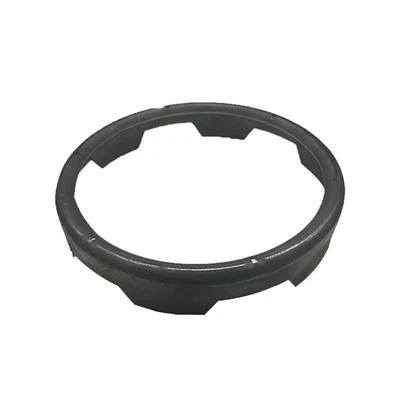
Steel: The Workhorse of Special Containers
Steel is one of the most commonly used materials for special containers due to its strength, durability, and versatility. It can withstand harsh environmental conditions, heavy loads, and rough handling during transportation. The high tensile strength of steel makes it ideal for containers that need to be stackable, ensuring stability when multiple containers are piled on top of each other.
There are different types of steel used in container manufacturing. Mild steel is a popular choice for general-purpose containers. It is relatively inexpensive and can be easily fabricated into various shapes and sizes. However, mild steel is prone to rust, so it often requires a protective coating to prevent corrosion.
Stainless steel, on the other hand, offers superior corrosion resistance. It contains chromium, which forms a passive oxide layer on the surface, protecting the steel from rust and staining. Stainless steel containers are commonly used in industries where hygiene is a priority, such as the food and pharmaceutical sectors. They are also suitable for storing and transporting chemicals and other corrosive substances.
Aluminum: Lightweight and Corrosion-Resistant
Aluminum is another material frequently used in special container construction. It is significantly lighter than steel, which makes it an attractive option for applications where weight is a concern, such as air freight. The reduced weight of aluminum containers can lead to lower transportation costs and increased fuel efficiency.
In addition to its lightweight nature, aluminum is highly corrosion-resistant. It forms a natural oxide layer on its surface, which protects it from rust and other forms of corrosion. This makes aluminum containers suitable for use in marine environments and other areas where exposure to moisture and salt is common.
Aluminum containers are also known for their excellent thermal conductivity. This property can be beneficial in applications where temperature control is important, such as the transportation of perishable goods. However, aluminum is generally more expensive than steel, which may limit its use in some cost-sensitive applications.
Fiberglass: Strong and Insulating
Fiberglass is a composite material made of glass fibers embedded in a resin matrix. It offers a unique combination of strength, lightweight, and insulation properties. Fiberglass containers are often used in applications where protection from the elements and temperature control are required.
One of the key advantages of fiberglass is its high strength-to-weight ratio. It can provide a high level of structural integrity while remaining relatively lightweight. This makes fiberglass containers suitable for applications where weight is a critical factor, such as in the aerospace and automotive industries.
Fiberglass also has excellent insulating properties. It can help to maintain a stable temperature inside the container, which is important for storing and transporting temperature-sensitive goods. Additionally, fiberglass is resistant to corrosion, chemicals, and UV radiation, making it a durable choice for long-term use.
Plastic: Versatile and Cost-Effective
Plastic is a versatile material that is widely used in the manufacturing of special containers. It offers a range of benefits, including low cost, lightweight, and ease of customization. There are different types of plastics used in container production, each with its own unique properties.
Polyethylene (PE) is a common plastic used for containers. It is known for its toughness, chemical resistance, and flexibility. PE containers are often used for storing and transporting liquids, chemicals, and food products. They are also available in a variety of sizes and shapes, making them suitable for different applications.
Polypropylene (PP) is another popular plastic for containers. It has a high melting point, making it suitable for applications where heat resistance is required. PP containers are often used in the food industry for storing hot food and beverages.
Plastic containers can be easily molded into different shapes and sizes, allowing for customization to meet specific customer requirements. They are also relatively easy to clean and maintain, which makes them a practical choice for many industries.
Wood: Natural and Sustainable
Wood has been used for container construction for centuries. It is a natural and sustainable material that offers several advantages. Wood containers are often used for storing and transporting goods that require a certain level of ventilation, such as agricultural products.
One of the main benefits of wood is its natural insulation properties. It can help to regulate the temperature and humidity inside the container, which is important for preserving the quality of the goods being stored. Wood is also a renewable resource, making it an environmentally friendly choice.
However, wood containers have some limitations. They are susceptible to damage from moisture, pests, and fire. To overcome these issues, wood containers are often treated with preservatives and fire retardants. Additionally, wood is relatively heavy compared to other materials, which can increase transportation costs.
Composite Materials: Combining the Best of Both Worlds
Composite materials are becoming increasingly popular in the manufacturing of special containers. These materials are made by combining two or more different materials to create a new material with enhanced properties.
For example, a composite container may be made by combining a lightweight plastic with a strong fiber reinforcement. This can result in a container that is both lightweight and strong, offering the best of both worlds. Composite materials can also be designed to have specific properties, such as high thermal insulation or chemical resistance.
The use of composite materials in container manufacturing allows for greater design flexibility and customization. It also offers the potential for improved performance and durability compared to traditional materials.
Applications of Special Containers
The choice of material for a special container depends on its intended application. Here are some common applications and the materials that are often used for them:
- Shipping and Logistics: Steel containers are the most commonly used for shipping goods across the globe. Their strength and durability make them suitable for long-distance transportation and stacking on ships, trains, and trucks.
- Food and Beverage Industry: Stainless steel and plastic containers are often used for storing and transporting food and beverages. Stainless steel offers excellent hygiene and corrosion resistance, while plastic containers are lightweight and easy to clean.
- Chemical and Pharmaceutical Industries: Special containers made of stainless steel or fiberglass are used to store and transport chemicals and pharmaceuticals. These materials provide protection against corrosion and contamination.
- Aerospace and Defense: Aluminum and composite materials are commonly used in the aerospace and defense industries. Their lightweight properties make them ideal for applications where weight is a critical factor, such as in aircraft and military vehicles.
- Agriculture: Wood and plastic containers are often used for storing and transporting agricultural products. Wood containers provide ventilation, while plastic containers are lightweight and easy to handle.
Conclusion

As a supplier of special containers, I understand the importance of choosing the right material for each application. The materials used in special container construction offer a wide range of properties and advantages, allowing for customization to meet specific customer needs. Whether it’s the strength of steel, the lightweight nature of aluminum, the insulation properties of fiberglass, the versatility of plastic, or the natural appeal of wood, each material has its place in the world of special containers.
Powder Coating If you are in need of special containers for your business, I encourage you to contact us to discuss your requirements. Our team of experts can help you choose the right material and design a container that meets your specific needs. We are committed to providing high-quality products and excellent customer service. Let’s work together to find the perfect solution for your container needs.
References
- American Iron and Steel Institute. (2023). Steel Container Manufacturing.
- Aluminum Association. (2023). Aluminum in Containers.
- Fiberglass Reinforced Plastics Association. (2023). Fiberglass in Container Applications.
- Plastics Industry Association. (2023). Plastic Containers: Types and Applications.
- Forest Products Laboratory. (2023). Wood as a Container Material.
Shanghai Luzhen SCM Co., Ltd.
As one of the most professional special container manufacturers and suppliers in China, we’re featured by quality products and good price. Please rest assured to buy bulk discount special container from our factory. We also accept customized orders.
Address:
E-mail: bao@lu-chain.com
WebSite: https://www.lu-chain.com/
