If you’ve ever stared at a kitchen cabinet that opens on its own when you wave your hand, or adjusted your bed to a perfect movie-watching angle without wrestling with a manual lever, you’ve interacted with linear actuators—even if you didn’t know it. As a linear actuator supplier who’s talked to thousands of homeowners, handymen, and small product designers over the years, I’ve noticed most people have no clue how often these little workhorses show up in their homes. We’re not just talking about big, industrial stuff here, either. Linear actuators are everywhere now, and they make everyday household tasks way simpler, quieter, and more customizable than old-school solutions. Let’s break down the most common home appliances and spaces where you’ll find them, plus a few fun deep dives into why they work so well here. Linear Actuator

First up, the biggest one most people miss: smart kitchen appliances. Let’s start with under-cabinet and built-in pantries. A few years back, those pull-out cabinets that slide out on heavy metal glides were the norm. Now, a lot of high-end and even mid-tier homes have actuators that let you open cabinet doors with a tap on a phone app, a voice command to Alexa, or even a wave of your hand (super helpful when you’re holding a big plate of cookies and can’t fumble for a handle). One client of mine, a small kitchen appliance maker, told me their most popular cabinet model uses compact, low-voltage DC linear actuators that fit into the 2-inch gap between the cabinet wall and the door frame. No bulky motors hanging out, no weird hinges—just smooth, quiet movement. That same tech pops up in pantry roll-outs too. Instead of yanking a shelf all the way out, a linear actuator can extend it 12 inches at a slow, steady pace, so you can reach the back of the shelf without spilling cereal or knocking over a can of soup. It’s way gentler than a spring-loaded system, and you can adjust how far it extends—great for small kitchens where space is tight.
Then there’s smart refrigerators. I know, your fridge probably doesn’t scream “linear actuator,” but hear me out. French-door fridges that open at the touch of a button? Yep, actuators. The same goes for those built-in water and ice dispensers that activate without you having to press a lever. A lot of fancy French-door models use two linear actuators—one for each door—so you don’t have to lean in or stretch to open either side. They’re also used in fridge interior shelves that adjust height on the fly. If you buy a big turkey for Thanksgiving, you can use the app to lower a middle shelf 6 inches, no tools needed. That’s another win for linear actuators: they give you precise, programmable movement that manual shelves can’t touch. No more hauling a heavy shelf up or down and guessing if it’s level.
Next, let’s talk about laundry rooms. Dryers and washers have been around for decades, but the modern smart versions have linear actuators hidden in almost every moving part. Start with washer lid locks. Old washers used a simple spring or a small solenoid to keep the lid closed during a spin cycle, but solenoids are clunky and can burn out after a few years. Linear actuators? They’re far more reliable, and they let you customize how much force is used to lock the lid. Plus, some newer washers have a “gentle cycle” that uses a slower actuator movement to open the lid right after the cycle ends, so you don’t have to yank it open. Dryers get in on the action too: some high-efficiency dryers have lint traps that slide out automatically, powered by a tiny actuator, so you don’t have to dig around in the back of the dryer to pull out the trap. And for foldable laundry tables (those portable ones you pull out when you need to sort clothes)? A linear actuator lets you adjust the height from 2 feet off the ground to 4 feet, perfect for both kids sorting socks and adults folding fitted sheets without hunching over.
Now, the bed and bedroom space—this is where linear actuators have blown up in the last 10 years, and it’s easy to see why. First, adjustable beds. If you’ve ever slept on an adjustable bed, you know you can prop up your head to read, or lift your legs to relieve back pain, or even get into a zero-gravity position for better circulation. Every single one of those movements is powered by linear actuators. Most adjustable beds use two actuators: one for the head section, one for the foot section. They’re quiet enough that you can adjust them in the middle of the night without waking up your partner, and they have weight sensors so they don’t slam into the wall or a pillow. Even cheaper adjustable bed models use our entry-level actuators, which are built to handle 300+ pounds of force and last 50,000+ cycles—way more than the average bed’s lifespan.
Then there’s adjustable bedroom furniture. Nightstands that raise and lower to fit different bedside lamps or charging docks? Actuators. Desk risers (those platforms you put your desk on to go from sitting to standing)? Some of the better ones use linear actuators instead of cranks, so you can adjust the height with the push of a button in 2 seconds, no turning a handle 50 times. Even Murphy beds—those beds that fold up into a closet—now use actuators to pull the bed up and down, instead of those clunky, hard-to-maneuver springs. A lot of small apartment dwellers swear by these because they can fold the bed up and have a full desk or living space in seconds. And let’s not forget about bed frames with built-in storage: actuators that lift the entire top of the frame to reveal a storage area for blankets or out-of-season clothes. No more struggling to pry a heavy wooden frame open—just press a button, and it lifts smoothly.
Moving on to home automation and living room gear. Smart TVs are the big one here, but not just the wall mounts—wait, no, TVs that lift up out of a cabinet. If you have a media console built into your wall, there’s a good chance it uses a linear actuator to slide the TV up or down when you turn on the media system. That way, you can hide the TV when you’re not using it, so your living room doesn’t look like a movie theater lobby. We’ve had clients who install these in home offices too, so the TV sits at desk height when you’re working, and slides up out of the way when you need to present. Another fan favorite: motorized curtain and blind systems. You know, the ones that open at sunrise or close when it gets dark, controlled by an app. Most of those use linear actuators that run along the top of the curtain rod, pulling the fabric or blind panels open and shut. They’re way quieter than old corded systems, and you can set exact times—no more fumbling for a cord when you’re cozy on the couch. I once helped a customer who uses a wheelchair, and these actuators were a game-changer for him; he could open his living room curtains without asking someone for help, which made his mornings way less stressful.
Then there’s home office and workspace gear. Standing desks have been around for a minute, but the smart ones with one-touch height adjustment are all linear actuator-powered. Old standing desks used a crank or a simple gas spring, but gas springs can leak over time and lose their lift, and cranks are slow. Actuator desks are programmable—you can save a “work” height of 28 inches and a “break” height of 42 inches, and switch between them with one button. They’re also adjustable for different people, so if you work with a partner, you can each have your own custom height setting. Even office chairs are starting to use small linear actuators now—for adjusting the seat depth, backrest angle, and lumbar support—instead of manual levers. Way more precise, and you don’t have to lean down under the chair to mess with a knob.
Don’t forget about outdoor home appliances and yard gear. Linear actuators aren’t just for inside the house, either. Outdoor awnings—those fabric ones that extend over your patio to block the sun—almost all use linear actuators now. You can open them on a hot day, close them if it starts to rain, all with a remote control. They’re weather-sealed, so they can handle rain, snow, and UV exposure without breaking. Patio umbrellas that tilt and rise automatically? Actuators too. And for people who have automated gate openers—some of the newer ones use linear actuators instead of the old chain-driven ones, because they’re quieter and take up less space. Even pool covers! A lot of inground pool owners use linear actuators to open and close their pool covers automatically, so you don’t have to drag a heavy cover across the pool by hand. That’s a huge one for families with kids or seniors, because pulling a pool cover is physically demanding and can be dangerous if it’s too heavy.
Now, let’s talk a little bit about why linear actuators are such a good fit for all these uses, if you’re curious (since I get a lot of questions about that from customers). Unlike other actuation methods—like solenoids, hydraulic systems, or even electric motors with gears—linear actuators give you straight, precise movement. You don’t have to convert rotary motion (like a spinning motor) into linear motion, which adds more parts, more noise, and more points of failure. They’re also compact—we make actuators that fit in spaces smaller than a soda can, which is why they can hide in cabinet gaps, bed frames, and patio awnings. They’re low-maintenance too—most of the ones we sell don’t need oiling or part replacements for years, as long as they’re used within their weight limit.
I should also mention that they’re adaptable to all kinds of needs, from DIY projects to full commercial appliance builds. A lot of homeowners don’t realize they can even add linear actuators to their existing appliances if they want. For example, if you have an old desk you love but hate how hard it is to adjust the height, you can add a pair of our compact actuators to turn it into a standing desk. Or if you have a regular curtain rod and want to make it motorized, there are small actuator kits you can install yourself in an afternoon.
At the end of the day, linear actuators are the quiet workhorses making modern homes way more functional. They turn “I wish I could” into “I can” for small tasks that used to be a hassle—opening a cabinet without dirty hands, adjusting a bed for back pain, lifting a heavy pool cover. If you’re building a new appliance, upgrading an existing space, or just looking to add a smart touch to your home, linear actuators are the way to go. I’ve worked with everyone from small product designers to big home brands, and I can tell you firsthand that investing in the right actuator makes all the difference in reliability and user experience.
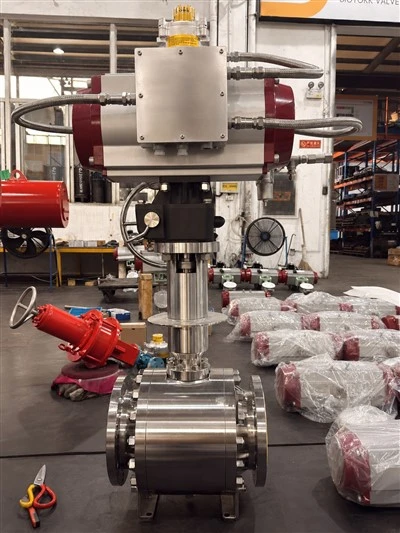
If you’re ready to talk about actuators for your next project—whether it’s a kitchen cabinet upgrade, an adjustable bed build, an outdoor awning, or something totally custom—reach out. We can help you pick the right size, force, and speed for your needs, no matter how big or small the project is.
Linear Actuator References:
- Linear Actuator Fundamentals, Motion Control Association, 2022
- “Smart Home Actuation: Trends and Applications”, Home Automation Tech Report, 2023
- “Adjustable Bed Components and Reliability”, Sleep Technology Journal, 2021
- Outdoor Linear Actuator Weather Resistance Standards, Industrial Electrical Association, 2022
Zhejiang Bigtork Valve Automation Co., Ltd.
Zhejiang Bigtork Valve Automation Co., Ltd. is one of the leading linear actuator manufacturers and suppliers in China. We warmly welcome you to buy customized linear actuator at competitive price from our factory. Contact us for more details.
Address: 98 Yuanqu Avenue,Anfeng Industrial Zone,Oubei,Yongjia,Zhejiang,China.
E-mail: sales@bigtork.com
WebSite: https://www.bigtork.com/
