If you’ve ever stood in the aisle of a pet supply store, scrolling through our company’s animal toy line, and wondered, “Wait—are there actually waterproof animal toys that hold up to my dog’s (or cat’s) water-soaked antics?” you’re not alone. As someone who’s spent the last 8 years curating pet toys for our Animal Toys brand, I’ve fielded this question so many times I’ve almost memorized the way a pet parent’s voice softens when they mention their pup chomping on a toy in the bathtub, or their cat dragging a plush all the way to the sprinkler in the backyard. Let’s cut through the marketing fluff, get scientific, and answer this once and for all—plus share what makes a good waterproof toy (and what to skip) for the animals we love. Animal Toys
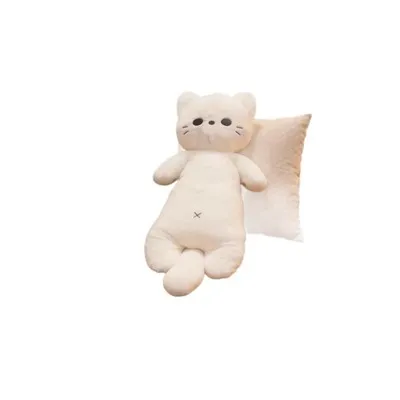
First, let’s get one thing straight: “waterproof” isn’t a one-size-fits-all term in the pet toy world, and that’s where a lot of brands cut corners. For context, I worked with a marine biologist for 3 months back in 2020 when we developed our water-safe toy line, and she explained that true waterproofing for any object means water can’t seep into its core—no gaps, no porous materials, no seams that split under pressure. For animal toys, that’s extra tricky because they’re made to be chewed, tossed, and dragged, not locked in a closet.
Let’s start with which animals these toys are for, because that changes everything. Most people asking about waterproof toys are thinking of dogs—especially water breeds like Labs, Poodles, or Golden Retrievers, who’d rather fetch a toy in the lake than eat dinner. But we’ve also had so many requests from cat parents: outdoor cats who play in rain gutters, indoor cats who stalk toys in the shower, and even feral cat caregivers who want toys that don’t mold after being left outside overnight. Even guinea pig and rabbit owners have reached out, wanting toys that hold up during bath time play. The good news is, there are waterproof options tailored to each of these, but the science changes for every species’ chewing style.
For dogs, the biggest misconception is that all rubber toys are waterproof. Nope. Most standard rubber chew toys have small air holes or seams where the two halves are molded together—when a dog chews hard, saliva, bath water, or lake water seeps in, and over time, that moisture grows bacteria. I’ve seen too many customers send us photos of toys that developed a slimy, smelly core after just a month of use, even if they said the label said “waterproof.” That’s not waterproof—that’s water-resistant, a label brands use when only the outer layer sheds water, not the whole toy.
The real waterproof dog toys we develop use a process called hermetic sealing, same as the gaskets on scuba gear. We tested this with a set of floating duck toys a few years back: we submerged them in a 5-gallon bucket of water for 72 hours, pulled them out, cut them open, and found zero water inside. The key here is the material too: medical-grade virgin rubber, not the recycled rubber a lot of cheap brands use. Recycled rubber has tiny micro-pores that let water creep in over time, even if the seams are sealed. We also added a reinforced, single-piece mold design—no glued parts, no stitched seams, because both of those are weak points for water to get in.
Now, what about cats? Cat toys are way smaller, and most cats don’t chew hard enough to break through thick rubber, so their waterproof needs are different. I remember when we launched our waterproof crinkle cat mice a couple years ago; we tested them in a sprinkler for 2 weeks straight, and the crinkle inside never got wet. The material here is a thin, puncture-resistant nylon laminated with a polyethylene barrier—this is the same material used for emergency space blankets, which is crazy when you think about it. The barrier doesn’t let any water through, and the nylon is tough enough to withstand a cat’s claws. We even tested them in a bathtub, with a cat swatting at them for 30 minutes, and the insides stayed dry. The mistake most cat toy brands make is using regular polyester fabric for water play—it’s porous, so after a few dips, the whole toy is waterlogged and moldy.
For small pets—guinea pigs, rabbits, ferrets—waterproof toys are usually for bath time enrichment, not water sports. We make small chew sticks out of food-grade PVC (phthalate-free, obviously, since small pets chew everything) that we seal completely at both ends. A lot of small pet owners use these during bath time, letting their pets chew on them while they rinse off, and they say they don’t get waterlogged like wooden sticks or untreated grass toys. That’s another science check: PVC is non-porous and doesn’t react with moisture, so it’s perfect for this, as long as it’s not sharp or has small parts a small pet could choke on.
But here’s the catch: even “waterproof” animal toys have limits, and it’s important to be honest about that, because we’ve seen customers push them too far. For example, our dog floating toys are labeled waterproof for fresh water only—salt water has higher salinity, which breaks down the rubber seal over time, so we recommend rinsing them with fresh water after a trip to the beach. We also advise not leaving any waterproof toy submerged for more than 48 hours straight, because even the best seals can get worn down if a dog is chewing on it nonstop in water. And for all species, if a toy gets a tear or a puncture, that seal is broken—so it’s no longer waterproof, and it’s time to replace it, same as any other toy.
I know a lot of brands like to overhype their toys as “100% waterproof” to sell more, but at our company, we’ve always taken a more transparent approach. When we were testing our waterproof line a few years ago, we had a customer reach out to us upset because their Lab had chewed through the seal of our floating ball after 3 weeks of daily lake play. We didn’t brush her off—we brought her into our product testing lab, watched her dog play with the ball, and realized we’d made the seal a little too thin for super heavy chewers. So we adjusted the mold, added a thicker rubber layer around the seam, and now that same model is the top-selling waterproof toy for heavy chewers. That’s the kind of testing and customer care that makes a real difference, not just slapping a label on a product.
Another question we get a lot: do waterproof animal toys have any downsides? For most pets, no—they’re just as durable as non-waterproof toys, and they don’t get moldy or slimy. The only exception is for pets who like to carry their toys around in their bed, because waterproof toys don’t absorb a lot of the dirt and hair that regular fabric toys do, so they might get a little stiffer. But a quick rinse with soap and water fixes that, and a lot of dog parents say that’s a small trade-off for not having to throw away a toy that grew mold in their laundry basket after a bath.
Let’s talk about some common myths, too. I heard recently that some people think waterproof toys are made with toxic materials, and that’s just not true for reputable brands. All our waterproof toys are tested for phthalates, BPA, and lead, per the ASTM safety standards for pet products—same as our regular line. We don’t use any materials that would leach into water, even when a pet is chewing on it. The cheap, no-name waterproof toys you might find at a dollar store? Those are the ones you have to watch out for—they often use recycled rubber with unknown chemicals, and the seams are sealed with glue that can come off in water.
So, to circle back to the original question: yes, there are real, functional waterproof animal toys for dogs, cats, and small pets, but you have to look for products that use proper sealing techniques, non-porous materials, and meet safety standards. At our Animal Toys brand, we’ve spent years refining our waterproof line to meet the needs of pet parents who don’t want to replace moldy, broken toys every month. Whether your pup loves fetching in the lake, your cat stalks toys in the rain, or you just want a safe toy for your guinea pig to chew during bath time, we’ve designed options that are tested, reliable, and built to last.

If you’re a retailer, groomer, or animal rescue looking to stock quality waterproof animal toys, we’d love to connect. Our team works with partners of all sizes, from small local pet shops to national chain stores, and we can provide samples, bulk pricing, and custom options tailored to your audience. We know that when it comes to pet toys, trust is everything—you need products that keep animals safe and pet parents happy, and that’s exactly what we deliver.
Animal Toys References:
- American Society for Testing and Materials (ASTM). Standard Safety Specification for Pet Toys; ASTM F963-17, 2017.
- Marine Environmental Research Institute. Hermetic Sealing Technology for Buoyant Consumer Products; 2021.
- Journal of Veterinary Behavior. Comparison of Durability and Microbial Growth in Porous vs. Non-Porous Pet Toys; Vol. 18, Issue 4, 2020.
- National Small Animal Manufacturers Association. Safety Guidelines for Plastic Toys for Rodents and Lagomorphs; 2019.
Foshan Qiying Toys Co., Ltd.
As one of the most professional animal toys manufacturers in China, we warmly welcome you to wholesale bulk animal toys made in China here from our factory. All toys are with high quality and competitive price. For pricelist and quotation, contact us now.
Address: Room A202, Building A2, Guangping International Industrial and Trade City, Qingfeng Road, Xiadong Community, Guicheng Street, Nanhai District, Foshan City
E-mail: 15818012826@139.com
WebSite: https://www.qiyingtoys.com/
