Hey everyone, I’m Jake, a glass wool series supplier with over 7 years in the insulation game, and let me tell you—most of the questions I get from both first-time contractors and seasoned crews aren’t about how well our glass wool performs (it’s solid, by the way) but what’s actually safe when handling it. I’ve seen too many folks brush off warnings because it’s “just fiberglass” or “it’s not as sharp as metal,” and that’s where accidents happen. Today, I’m breaking down the real, practical safety precautions we share with every client that aren’t just industry red tape—they’re stuff I’ve learned from watching teams mess up and learning from it. Glass Wool Series
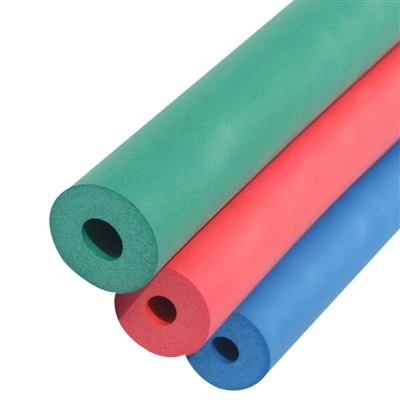
First off, let’s get one thing straight: glass wool isn’t like the kitchen fiberglass you might’ve accidentally brushed against once. It’s made of tiny, interwoven glass fibers, some so small they can’t even be seen with the naked eye. Those little fibers aren’t just annoying—they can get stuck in your skin, eyes, lungs, or even your mouth if you’re not careful. I had a buddy on a crew last year skip goggles and end up with fibers stuck in his eyes for three days; he couldn’t sleep, couldn’t focus, and missed a whole job. That’s avoidable. So let’s start with the PPE (personal protective equipment) that’s non-negotiable, not optional. A lot of new guys try to wear old work gloves that are thin—don’t do that. Get heavy-duty, nitrile or rubber work gloves, not the cheap canvas ones. Canvas lets those fibers seep right through. And the gloves should cover your wrists too—fibers love to crawl up your arm if there’s a gap.
Next, eye and respiratory protection. Goggles, not safety glasses with the vented sides. Ventilated ones let those micro-flyers right in. A lot of teams use dust masks, but the regular cheap paper ones? They won’t stop the tiny glass fibers. You need an N95 respirator minimum, and if you’re working in a confined space (like an attic crawl space, which is super common for glass wool installations), go with a half-face or full-face respirator with the right filters. I once had a guy try to work in an attic with just a bandana over his face; by the end of the day, he was coughing so hard he could barely talk, and he’s still having minor respiratory issues sometimes when he’s around dust. That’s not worth cutting corners.
Now, handling the actual materials—especially when you’re cutting it. Glass wool comes in batts, rolls, and loose-fill, and cutting it with a regular utility knife or even a saw sends tons of fibers flying. Don’t just cut it over a drop cloth on the ground; make sure the area is covered, but even better, cut it outside or in a well-ventilated space if you can. If you have to cut inside, use a box cutter with a sharp blade, and do it slowly. Rough sawing creates way more dust. I tell all our clients: when you’re cutting batts, lay the batt on a flat surface, and score the line a few times before snapping it—less messy, less fibers in the air. Also, don’t carry loose cut scraps around in your work pants pockets. Those scraps will shed fibers all over, and by the end of the day, your whole body, your tools, your truck, even your lunch will be covered in tiny glass bits. I once found a piece of glass wool in a taco wrapper at a job site because a guy stuffed scraps in his pocket. Gross, and totally avoidable.
Another big one: skin contact. A lot of people think “it’s just fibers, it’ll wash off” but that’s not true. Those tiny fibers can get embedded in your skin, and they’ll itch like crazy for days, even if you scrub hard. I’ve had guys show up at our office with red, bumpy arms begging for a remedy, and the fix is just washing with cold water (hot water opens your pores and lets the fibers go deeper) and a gritty soap, like a pumice soap. But prevention is way better. Wear long sleeves and long pants—even if it’s hot out. I know, insulation work is brutal in summer, but rolling up your sleeves is asking for trouble. Also, after work, don’t go home in your work clothes. Change in the truck, leave the work gear at the job site or in a separate bin, and shower immediately. I can’t tell you how many times a spouse has told me their partner brought glass wool dust home and it got on the kids’ toys or sheets. That’s a whole other level of mess.
Wait, let’s talk about storage, too. Our glass wool products come in sealed plastic wrapping for a reason. Don’t just leave the rolls or batts unwrapped on a job site overnight. Rain, wind, even random people brushing against them will shed fibers everywhere. We always tell clients: unload the material right where it needs to go, open the wrapping only when you’re ready to install, and seal up any unused material immediately. I had a client a few years ago who left a stack of glass wool rolls out in the rain for a week. When they finally went to open them, the whole area around the stack was covered in fibers, and they had to shut down the job for a day to clean it up because the dust was getting into other materials. That’s a costly mistake that could’ve been fixed with a little care.
And what if you do get fibers stuck in your skin or eyes? Don’t rub your eyes— that will push the fibers deeper. For skin, use adhesive tape (like duct tape, but even better, medical tape) to gently dab the area, that pulls the surface fibers out. For eyes, flush with water for at least 15 minutes, and if irritation lasts, go see a doctor immediately. For respiratory stuff, if you start coughing nonstop or have trouble breathing, get to fresh air right away. Most minor exposure is annoying, but serious cases can cause irritation or long-term issues, so don’t ignore it.
Now, I know a lot of you are probably thinking: “But it’s insulation, I don’t need all this fuss.” Let me be clear—this isn’t about fear-mongering. We’ve been supplying glass wool for decades, and our products are safe when handled correctly. The problem is when people take shortcuts. I’ve worked with teams that follow these steps, and they never have issues. The ones that don’t? They’re the ones calling me in a panic because someone got hurt or the job site is a mess.
Also, let’s address a common myth: glass wool is the same as mineral wool or rock wool. No, it’s not. Mineral wool is a bit different in fiber size, but glass wool’s micro-fibers require extra care. That’s why these precautions are specific to our series—we’ve tailored them based on what we’ve seen our clients go through.
At the end of the day, the biggest safety rule is to just be intentional. Take 5 extra minutes to put on the right PPE, to cover the area when cutting, to seal up unused material. It’s not a huge hassle, but it prevents so much headache. I’ve been doing this long enough to know that even the smallest oversight can ruin a day—or more.
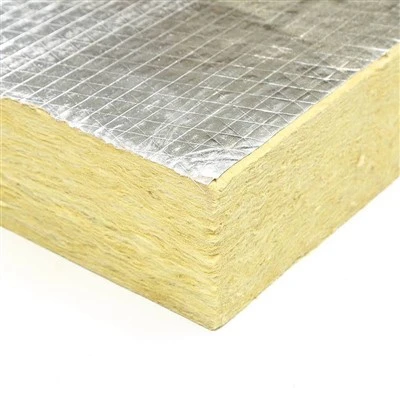
Rock Wool Board If you’re in need of high-quality glass wool products for your next project, or you have questions about handling, installation, or anything else related to our series, don’t hesitate to reach out to our team to discuss your procurement needs. We’re here to make sure you get the right products and the right guidance to keep your crew safe and your project running smoothly.
References
- Occupational Safety and Health Administration (OSHA). 2022. Safety and Health Guidelines for Fiber Glass Insulation Installation.
- National Insulation Association (NIA). 2021. Best Practices for Handling Glass Wool Insulation Materials.
- Centers for Disease Control and Prevention (CDC). 2020. Health Effects of Occupational Exposure to Man-Made Vitreous Fibers.
Langfang Aolesi Thermal Insulation Materials Co., Ltd.
As one of the most professional glass wool products manufacturers and suppliers in China, we also support customized service. Please feel free to buy bulk high quality glass wool products made in China here from our factory. For pricelist, contact us now.
Address: Dongwang Village, Dacheng County, Langfang City, Hebei Province
E-mail: Lfaolesibaowen@outlook.com
WebSite: https://www.lfaolesi.com/
