Hey there, fellow DIYers, crafts enthusiasts, and all you folks in the industrial world! I’m a supplier of felt wheels, and I’ve seen a lot of questions about how to lubricate these nifty tools. So, I thought I’d share my knowledge and give you the lowdown on the best way to lubricate a felt wheel. Felt Wheel
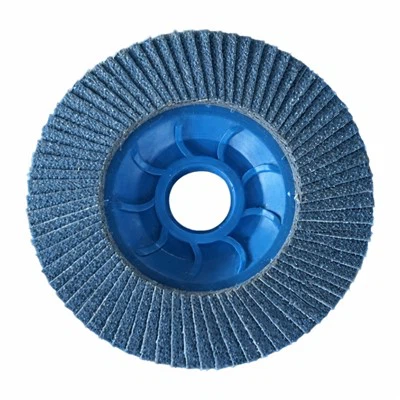
First off, let’s talk about why lubricating your felt wheel is so important. Felt wheels are used in a variety of applications, from polishing and buffing to grinding and sanding. Over time, the friction between the felt wheel and the material it’s working on can cause the wheel to wear out faster and lose its effectiveness. Lubricating the felt wheel helps to reduce this friction, which not only extends the life of the wheel but also improves the quality of the work it does.
Now, there are a few different types of lubricants you can use on a felt wheel, and each has its own advantages and disadvantages. Let’s take a look at some of the most common options:
Mineral Oil
Mineral oil is a popular choice for lubricating felt wheels because it’s inexpensive, readily available, and easy to use. It’s also a good all-purpose lubricant that can be used on a variety of materials. However, mineral oil can be messy and can leave a residue on the surface of the material you’re working on. It also doesn’t provide as much protection against wear and tear as some other lubricants.
Synthetic Oil
Synthetic oil is a more advanced lubricant that offers better performance and protection than mineral oil. It’s designed to withstand high temperatures and pressures, which makes it ideal for use in industrial applications. Synthetic oil also doesn’t leave a residue on the surface of the material you’re working on, which makes it a cleaner option. However, synthetic oil is more expensive than mineral oil, and it may not be necessary for all applications.
Grease
Grease is a thick, sticky lubricant that provides excellent protection against wear and tear. It’s also a good choice for applications where the felt wheel is exposed to high temperatures or heavy loads. Grease is typically applied to the felt wheel using a brush or a grease gun, and it can be difficult to remove once it’s applied. However, grease can be a good option for applications where you need long-lasting lubrication.
Wax
Wax is a natural lubricant that is often used in woodworking and other applications where a smooth finish is desired. It’s easy to apply and can provide a good level of protection against wear and tear. Wax is also a good option for applications where you want to avoid using oil or grease, as it doesn’t leave a residue on the surface of the material you’re working on. However, wax may not be as effective as other lubricants in high-temperature or high-pressure applications.
So, which lubricant is the best for your felt wheel? Well, it depends on a few factors, such as the type of material you’re working on, the application you’re using the felt wheel for, and your personal preferences. Here are some general guidelines to help you choose the right lubricant:
- For light-duty applications: If you’re using the felt wheel for light polishing or buffing, mineral oil or wax may be a good choice. These lubricants are easy to apply and can provide a good level of protection without being too messy.
- For heavy-duty applications: If you’re using the felt wheel for grinding or sanding, synthetic oil or grease may be a better option. These lubricants are designed to withstand high temperatures and pressures, which makes them ideal for use in industrial applications.
- For woodworking applications: If you’re using the felt wheel for woodworking, wax may be the best choice. Wax can provide a smooth finish and can help to protect the wood from damage.
Once you’ve chosen the right lubricant for your felt wheel, it’s important to apply it correctly. Here are some tips to help you apply the lubricant effectively:
- Clean the felt wheel: Before you apply the lubricant, make sure the felt wheel is clean and free of any debris or contaminants. You can use a brush or a compressed air gun to clean the wheel.
- Apply the lubricant evenly: Use a brush or a cloth to apply the lubricant evenly to the surface of the felt wheel. Make sure to cover the entire surface of the wheel, including the edges.
- Don’t over-lubricate: It’s important not to over-lubricate the felt wheel, as this can cause the lubricant to build up and affect the performance of the wheel. Apply just enough lubricant to cover the surface of the wheel.
- Let the lubricant dry: After you’ve applied the lubricant, let it dry for a few minutes before using the felt wheel. This will help to ensure that the lubricant is evenly distributed and that it doesn’t drip or run off the wheel.
In addition to lubricating your felt wheel, it’s also important to take good care of it. Here are some tips to help you keep your felt wheel in good condition:
- Store the felt wheel properly: When you’re not using the felt wheel, store it in a cool, dry place. This will help to prevent the felt from drying out and becoming brittle.
- Clean the felt wheel regularly: After each use, clean the felt wheel to remove any debris or contaminants. You can use a brush or a compressed air gun to clean the wheel.
- Replace the felt wheel when necessary: Over time, the felt on the wheel will wear out and become less effective. When this happens, it’s important to replace the felt wheel to ensure that you’re getting the best performance from your tool.
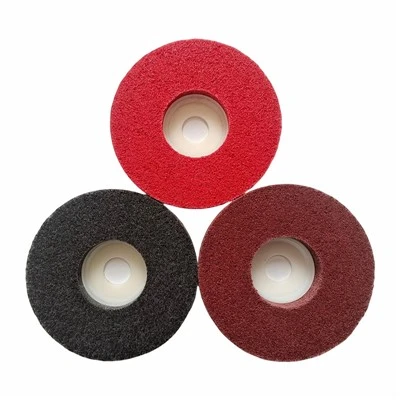
Well, that’s it for my tips on how to lubricate a felt wheel. I hope you found this information helpful. If you have any questions or comments, please feel free to leave them below. And if you’re in the market for a high-quality felt wheel, be sure to check out our selection. We offer a wide range of felt wheels in different sizes and shapes to meet your needs. Contact us today to discuss your requirements and let’s start a conversation about your next project!
Aluminum Oxide Flap Disc References:
- "Felt Wheels: A Guide to Selection and Use." Industrial Supply Magazine.
- "Lubrication Basics for Felt Wheels." Manufacturing Today.
- "Best Practices for Maintaining Felt Wheels." Craftsmanship Quarterly.
Henan Yandisc Hardware Tools Co., Ltd.
As one of the most professional felt wheel manufacturers and suppliers in China, our products have good reputation in the market. Please feel free to wholesale high quality felt wheel made in China here from our factory. Customized orders are welcome.
Address: Zinan Road, High-tech Industrial Development Zone, Zhengzhou, Henan, China
E-mail: info@yandisc.com
WebSite: https://www.yandisc.com/
