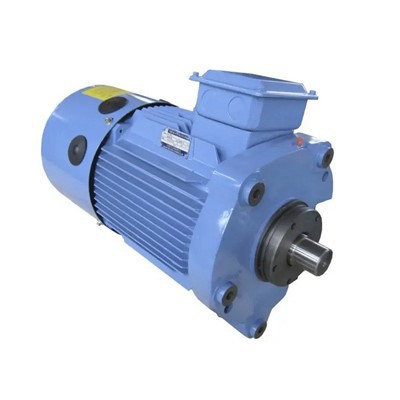
As a supplier of brushless motors, I often encounter questions from customers about the batteries used in conjunction with our products. One of the most common inquiries is about the charging methods for these batteries. In this blog post, I will delve into the various charging methods for batteries used with brushless motors, providing you with a comprehensive understanding to help you make informed decisions. Brushless Motor
Understanding the Basics of Brushless Motor Batteries
Before we discuss the charging methods, it’s essential to understand the types of batteries commonly used with brushless motors. The most popular choices are lithium – polymer (Li – Po), lithium – ion (Li – Ion), and nickel – metal hydride (NiMH) batteries.
Li – Po batteries are widely used due to their high energy density, lightweight, and ability to deliver high current. They are commonly found in remote – controlled vehicles, drones, and other high – performance applications. Li – Ion batteries are also popular, offering a good balance between energy density and cost. NiMH batteries, on the other hand, are more affordable and have a lower risk of thermal runaway compared to lithium – based batteries, but they have a lower energy density.
Charging Methods for Different Battery Types
Lithium – Polymer (Li – Po) Batteries
Li – Po batteries require a specific charging method to ensure safety and longevity. The most common charging method for Li – Po batteries is constant – current constant – voltage (CC – CV) charging.
- Constant – Current (CC) Phase: In the first phase of charging, a constant current is applied to the battery. This current is typically set at a rate that is safe for the battery, usually between 1C and 2C (where 1C is the current required to charge the battery in one hour). For example, if you have a 2000mAh Li – Po battery, a 1C charge rate would be 2A. During this phase, the battery voltage gradually increases as it stores energy.
- Constant – Voltage (CV) Phase: Once the battery voltage reaches a certain level (usually around 4.2V per cell), the charger switches to the constant – voltage phase. In this phase, the charger maintains a constant voltage while the current gradually decreases as the battery approaches full charge. This phase is crucial to prevent overcharging, which can cause the battery to swell, overheat, or even catch fire.
It’s important to use a charger specifically designed for Li – Po batteries. These chargers typically have built – in safety features such as over – voltage protection, over – current protection, and temperature monitoring. Additionally, Li – Po batteries should be charged on a fire – resistant surface and never left unattended during charging.
Lithium – Ion (Li – Ion) Batteries
Li – Ion batteries are charged using a similar CC – CV method as Li – Po batteries. However, the voltage and current settings may vary slightly depending on the specific chemistry of the battery.
- CC Phase: Similar to Li – Po batteries, the CC phase of Li – Ion battery charging involves applying a constant current to the battery. The charge rate is usually between 0.5C and 1C.
- CV Phase: Once the battery voltage reaches around 4.1 – 4.2V per cell, the charger switches to the CV phase. The charger maintains this voltage while the current decreases until the battery is fully charged.
Li – Ion batteries also require a charger with appropriate safety features. Overcharging a Li – Ion battery can lead to reduced battery life, increased internal resistance, and in extreme cases, thermal runaway.
Nickel – Metal Hydride (NiMH) Batteries
NiMH batteries are charged using a different method compared to lithium – based batteries. The most common charging method for NiMH batteries is the trickle – charge or fast – charge method.
- Trickle – Charge Method: This is a slow and gentle charging method that is suitable for long – term storage or when you have plenty of time to charge the battery. The trickle – charge current is typically set at a very low rate, usually around 0.1C. This method helps to prevent overcharging and extends the battery’s lifespan.
- Fast – Charge Method: The fast – charge method allows you to charge the NiMH battery in a shorter amount of time. However, it requires a charger with more advanced features. During fast – charging, the charger applies a higher current (usually between 1C and 2C) to the battery. To prevent overcharging, the charger monitors the battery’s temperature and voltage. Once the battery reaches a certain temperature or voltage, the charger reduces the current or switches to a trickle – charge mode.
Factors Affecting Battery Charging
Several factors can affect the charging process of batteries used with brushless motors.
- Temperature: Battery charging is highly sensitive to temperature. Charging a battery at too high or too low a temperature can reduce the battery’s performance and lifespan. For example, charging a Li – Po battery at a temperature below 0°C can cause lithium plating, which can lead to short – circuits and battery failure. On the other hand, charging at a temperature above 45°C can accelerate the battery’s aging process.
- Battery Age and Condition: As batteries age, their internal resistance increases, which can affect the charging process. Older batteries may take longer to charge and may not hold a full charge as well as new batteries. Additionally, damaged batteries should not be charged, as they can pose a safety risk.
- Charger Quality: The quality of the charger plays a crucial role in the charging process. A low – quality charger may not provide the correct voltage and current, which can lead to overcharging or undercharging. It’s important to use a charger from a reputable manufacturer that is compatible with your battery type.
Best Practices for Battery Charging
To ensure the safety and longevity of your batteries, here are some best practices for battery charging:
- Use the Right Charger: Always use a charger that is specifically designed for your battery type. Using the wrong charger can damage the battery and pose a safety risk.
- Monitor the Charging Process: Never leave your battery unattended during charging. Keep an eye on the charger and the battery for any signs of overheating, swelling, or other abnormalities.
- Charge in a Safe Environment: Charge your batteries on a fire – resistant surface and away from flammable materials. Avoid charging in areas with high humidity or extreme temperatures.
- Store Batteries Properly: When not in use, store your batteries in a cool, dry place. Li – Po batteries should be stored at a partial charge (around 50 – 60% of their capacity) to prevent over – discharge and extend their lifespan.
Conclusion
Understanding the charging methods for batteries used with brushless motors is essential for ensuring the safety and performance of your equipment. Whether you are using Li – Po, Li – Ion, or NiMH batteries, it’s important to follow the appropriate charging procedures and best practices.
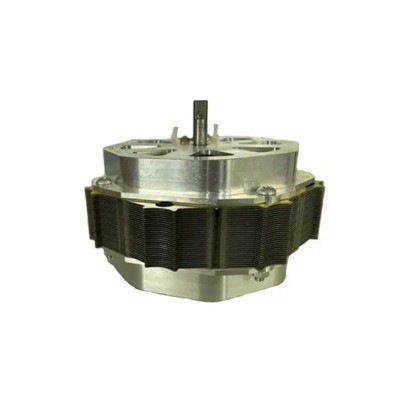
AC Servo Motor As a brushless motor supplier, we are committed to providing our customers with high – quality products and comprehensive support. If you have any questions about battery charging or need assistance in selecting the right battery for your brushless motor, please feel free to contact us for further discussion. We look forward to the opportunity to work with you and meet your specific requirements.
References
- Linden, D., & Reddy, T. B. (2002). Handbook of Batteries. McGraw – Hill.
- Harris, R. (2016). Battery Management Systems: Design by Modeling. Wiley.
Zibo Auric Mechanical and Electrical Technology Co., Ltd.
As one of the leading brushless motor manufacturers and suppliers in China, we warmly welcome you to buy advanced brushless motor for sale here from our factory. All customized motors are with high quality and competitive price.
Address: B419, High-tech Entrepreneurship Park, High-tech Zone, Zibo City
E-mail: cui@auricmotor.com
WebSite: https://www.auricmotor.com/
