As a supplier of vertical machining centers, I’ve seen firsthand the transformative power these machines have on manufacturing processes. In this blog, I’ll break down the working principle of a vertical machining center, offering insights into its operation, components, and applications. Vertical Machining Center
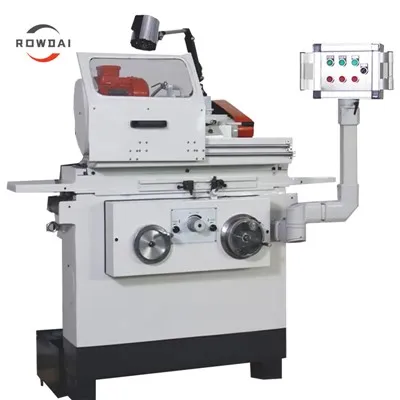
Understanding the Basics of Vertical Machining Centers
A vertical machining center (VMC) is a type of computer numerical control (CNC) milling machine with a vertically oriented spindle. This orientation allows the cutting tool to approach the workpiece from above, which is ideal for a wide range of machining operations, including face milling, end milling, drilling, and tapping. Unlike horizontal machining centers, which have a horizontally oriented spindle, VMCs are often more compact and easier to integrate into smaller manufacturing spaces.
Key Components of a Vertical Machining Center
1. Spindle
The spindle is one of the most critical components of a VMC. It holds the cutting tool and rotates it at high speeds to remove material from the workpiece. Spindle speeds can vary widely depending on the type of machining operation and the material being processed. High-speed spindles are capable of rotating at speeds up to 20,000 RPM or more, enabling fast and efficient machining of hard materials such as aluminum and steel.
2. Tool Changer
A VMC is typically equipped with an automatic tool changer (ATC) that allows for quick and easy tool changes during the machining process. The ATC stores a variety of cutting tools in a magazine and can select and install the appropriate tool based on the programmed machining operations. This feature significantly reduces downtime between tool changes, increasing productivity and efficiency.
3. Worktable
The worktable is the surface on which the workpiece is mounted. It can be moved in multiple directions (X, Y, and Z axes) to position the workpiece relative to the cutting tool. The movement of the worktable is controlled by the CNC system, which ensures precise and accurate positioning for each machining operation.
4. CNC Controller
The CNC controller is the brain of the VMC. It receives instructions from a computer program and translates them into electrical signals that control the movement of the spindle, tool changer, and worktable. The CNC system allows for highly precise and repeatable machining operations, as it can accurately control the speed, feed rate, and depth of cut for each tool.
5. Coolant System
Machining generates a significant amount of heat, which can cause the cutting tool to wear prematurely and affect the quality of the machined surface. A coolant system is used to remove heat from the cutting zone and lubricate the cutting tool. Coolants can be either water-based or oil-based, depending on the type of machining operation and the material being processed.
The Working Process of a Vertical Machining Center
1. Programming
The first step in using a VMC is to create a CNC program that specifies the machining operations to be performed. This program can be created using computer-aided manufacturing (CAM) software, which allows the user to design the part geometry and generate the tool paths required to machine the part. The CNC program is then transferred to the VMC’s controller via a USB drive or a network connection.
2. Workpiece Setup
Once the CNC program is loaded into the controller, the workpiece is mounted on the worktable using appropriate fixtures or clamps. The workpiece must be accurately positioned and aligned to ensure that the machining operations are performed in the correct location. The operator uses the CNC controller to set the zero point (origin) of the workpiece coordinate system, which serves as a reference for all subsequent machining operations.
3. Tool Setup
The next step is to load the required cutting tools into the ATC. Each tool is assigned a unique tool number in the CNC program, and the controller uses this number to select the appropriate tool for each machining operation. The operator must also set the tool length and diameter offsets in the controller to ensure that the cutting tool is positioned correctly relative to the workpiece.
4. Machining Operations
With the workpiece and tools properly set up, the operator can start the machining process. The CNC controller reads the programmed instructions and moves the spindle, tool changer, and worktable accordingly. The cutting tool removes material from the workpiece in a series of passes, following the programmed tool paths. The operator monitors the machining process and can make adjustments to the cutting parameters if necessary to ensure optimal performance and quality.
5. Quality Control
After the machining process is complete, the operator inspects the machined part to ensure that it meets the required specifications. This may involve measuring the dimensions of the part using precision measuring tools such as calipers and micrometers and checking the surface finish using a surface roughness tester. Any deviations from the specifications are corrected by making adjustments to the CNC program or the machining process.
Applications of Vertical Machining Centers
Vertical machining centers are widely used in a variety of industries, including automotive, aerospace, electronics, and medical device manufacturing. Some common applications of VMCs include:
1. Prototyping
VMCs are ideal for rapid prototyping, as they allow for the quick and cost-effective production of small batches of parts. The ability to program complex tool paths and perform multiple machining operations in a single setup makes VMCs well-suited for creating high-quality prototypes with precise geometries.
2. Production Machining
In production environments, VMCs can be used to manufacture large quantities of parts with consistent quality and accuracy. The automatic tool changer and high-speed spindle allow for fast and efficient machining, reducing production time and cost.
3. Precision Machining
VMCs are capable of achieving high levels of precision and surface finish, making them suitable for machining parts with tight tolerances and complex geometries. This makes them ideal for applications in the aerospace and medical device industries, where precision is critical.
Advantages of Working with a Vertical Machining Center Supplier
As a VMC supplier, we offer a range of benefits to our customers, including:
1. Expertise and Experience
We have years of experience in the manufacturing industry and a deep understanding of the technical aspects of vertical machining centers. Our team of experts can provide you with professional advice on selecting the right machine for your specific needs and offer comprehensive technical support throughout the entire process.
2. Quality Products
We are committed to providing high-quality vertical machining centers that are built to last. Our machines are manufactured using the latest technology and the highest quality materials, ensuring reliable performance and long service life.
3. Customization Options
We understand that every customer has unique requirements, and we offer customization options to meet your specific needs. Whether you need a machine with a specific spindle speed, tool capacity, or worktable size, we can customize a VMC to suit your application.
4. After-Sales Service
We provide excellent after-sales service to ensure that your VMC continues to perform at its best. Our service team is available to provide maintenance, repair, and technical support whenever you need it, minimizing downtime and maximizing productivity.
Conclusion
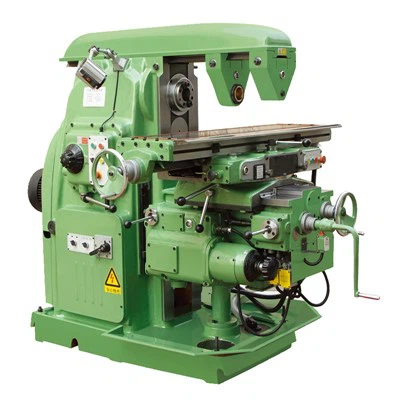
Milling Machine In conclusion, vertical machining centers are powerful and versatile machines that play a crucial role in modern manufacturing. By understanding the working principle of a VMC and its key components, you can make an informed decision when selecting a machine for your manufacturing needs. As a VMC supplier, we are dedicated to providing high-quality products, expert advice, and excellent after-sales service to help you achieve your manufacturing goals. If you’re interested in learning more about our vertical machining centers or would like to discuss your specific requirements, please don’t hesitate to contact us. We look forward to the opportunity to work with you and help you take your manufacturing processes to the next level.
References
- Schneider, P. (2019). CNC Milling Handbook: Technology, Programming, and Operations. Hanser Publications.
- Groover, M. P. (2016). Fundamentals of Modern Manufacturing: Materials, Processes, and Systems. Wiley.
- Boothroyd, G., Dewhurst, P., & Knight, W. A. (2011). Product Design for Manufacture and Assembly. CRC Press.
Henan Rowdai Machinery Equipment Co., Ltd.
As one of the most professional vertical machining center manufacturers in China, we’re featured by quality products and good price. Please rest assured to buy high-grade vertical machining center for sale here from our factory. If you have any enquiry about cooperation, please feel free to email us.
Address: Building 9, E-Commerce Industrial Park, High-Tech Zone, Zhengzhou, Henan, China
E-mail: rowdai@rowdai.com
WebSite: https://www.rowdai.com/
